Throughout the last few years, we have had a greater emphasis on supporting our rural clinics, especially through projects. We recently had a Nazarene Mission Teams (NMT) project to build a new clinic at our location in Bana (Sepik Province). The team completed most of the work, and we had James, one of our supervisors, stay behind to manage the completion of the construction. Now we are getting into the installation phase of another project: outfitting our rural clinics with oxygen, specifically for pediatric cases.
Many pneumonia cases are seen in children under 5, and these children often need a couple of days of continuous oxygen therapy to support their recovery. One of our PNG doctors, Dr. Spencer, has been working extensively with our rural clinics to help support their services with training and regular visits. One of his projects is evaluating the potential that oxygen therapy has to improve outcomes for the children in these remote areas. From his research and in consultation with our Rural Health Services director, the health center at Sangapi was identified as having the most potential benefit for a pilot installation.
We had received funding through a generous donor that would be sufficient to purchase and install all of the components for one system. We had worked with a partner ministry, Sonset Solutions, to size and purchase the correct equipment. Earlier this year the equipment arrived on a container (one of our regular supply containers through the Nazarene Hospital Foundation, organized by Dr. Todd Winter.
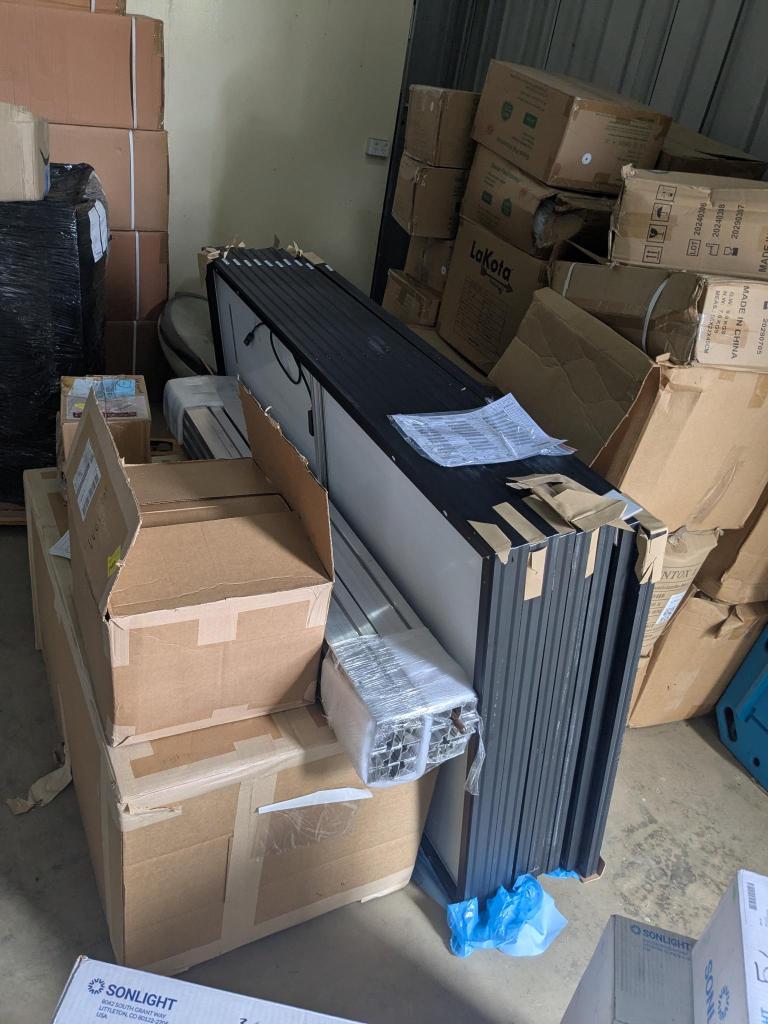
With the equipment in place, we were set to plan the installation! While we had not installed this kind of system before, we had done solar power installations in all of our other clinics, so Israel, our electrician, had gotten very comfortable. In addition, he was able to get some additional training in solar and radio electronics with MAF Technolgies, the organization that put together the solar PV kits that we used in clinics and staff houses. This system was different in a number of ways. First, we scale was very different. Because we were looking to power an oxygen concentrator continuously whereas we normally power lights intermittently, we needed more storage and generation capacity. Second, in order to acheive the storage we were looking for (we wanted to be able to run the concentrator for three days with minimal charging, assuming multiple days of overcast conditions) we decided with Sonset to design the system to use lithium batteries.

While lithium batteries had a lot of benefits, we soon came across one of the most significant drawbacks: transportation. Many of our rural clinics are accessible only by small aircraft. IATA regulations limit the size of lithium batteries that can be transported by airplane to 35 kg per battery. Unfortunately, our batteries weighed over 45 kg. Doing as much research as we could, we found that we were limited to two options – carrying the batteries in from the closest road or transporting them in a cargo net suspended from a helicopter. Carrying cargo into the mountains is actually not that uncommon. These batteries would certainly be very heavy and would require a large group of guys that could take turns carrying the loads. We would also need to protect the batteries from rain, mud, and the eventual drop and bump. After finding that hiring a helicopter from a Bible translation mission, NTM PNG, was more affordable than anticipated, we decided to go that direction in order to be able to complete the installation. We booked a helicopter for the 13th of May and then made our plans around that date.
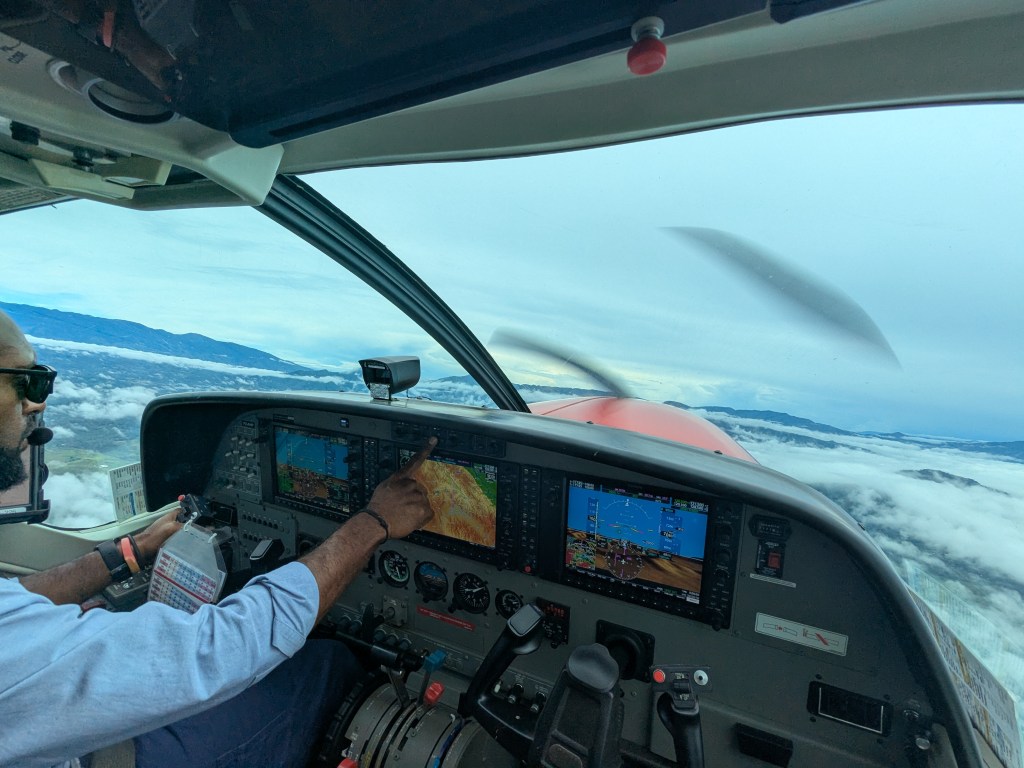
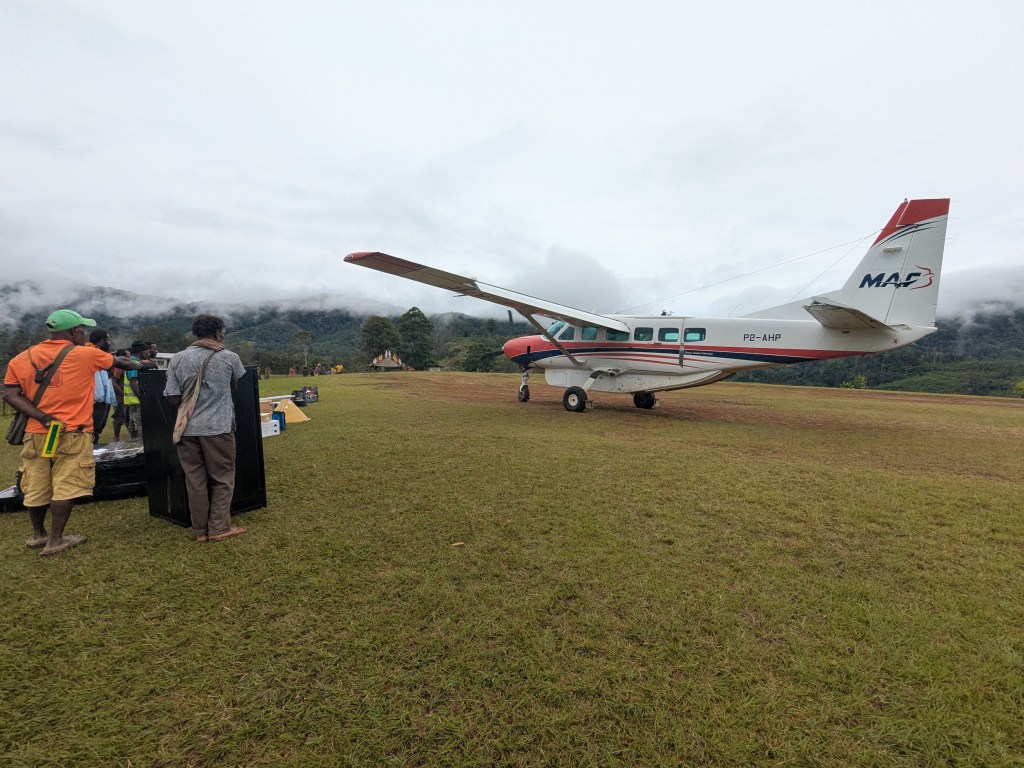
Israel and I flew up to Sangapi on a Monday, together with the bulk of the equipment we would need. In our bags were tickets for the weekly service flight back to Kudjip on Friday. We got everything unloaded from the airplane, brought down to the clinic (with the help of a significant portion of the community at Sangapi), and got to work putting the racking system and solar panels on the roof. As will be the norm for the rest of the project, we had lots of help.
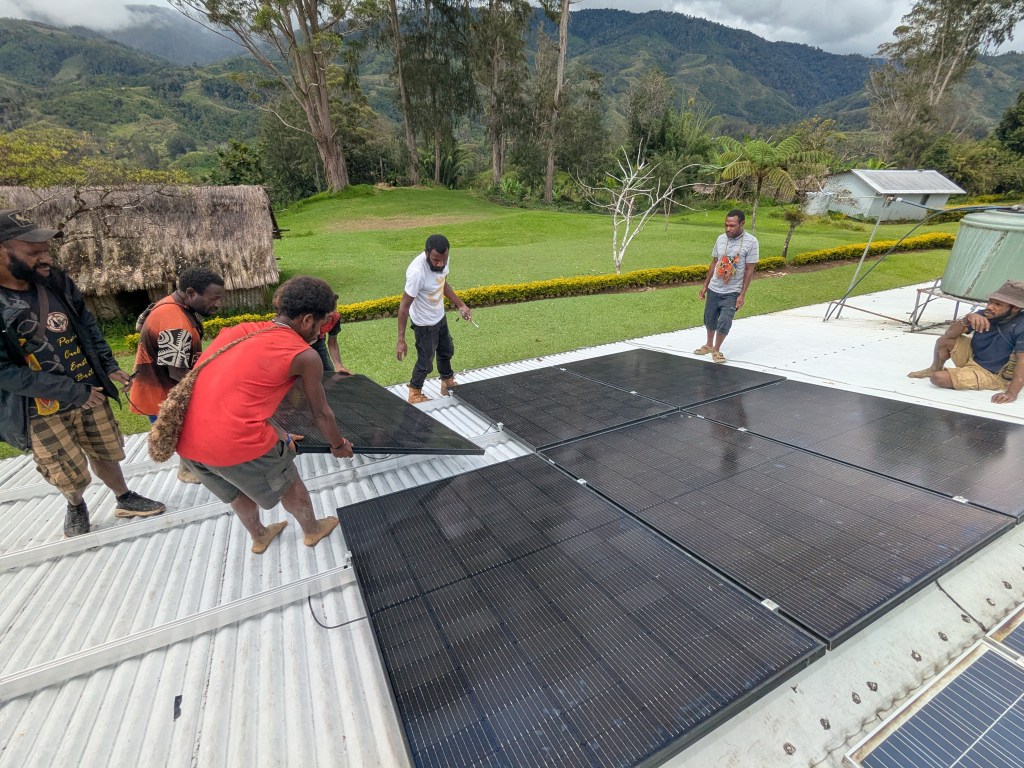
After installing the solar panels, we got as far as we could with the battery cabinet and the inverter panel wiring. We knew that we would want at least a couple of days to get measurements and readings on the system before we left on Friday. After finishing work at about 9pm, we went back to the house where we were staying to find that some of the ladies that work at the clinic had kindly prepared food for us! Unfortunately we also found that the rats had beaten us to it…
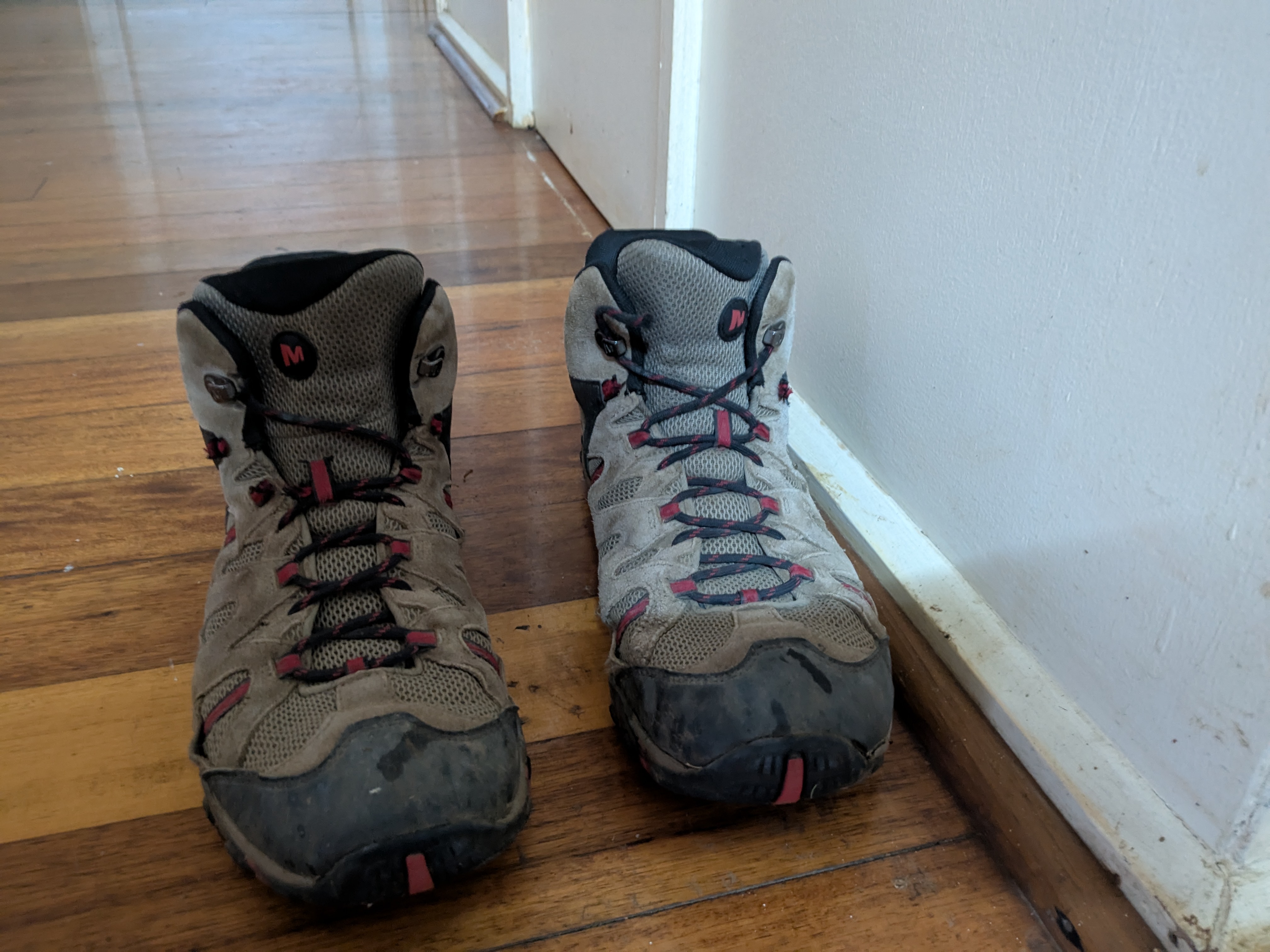
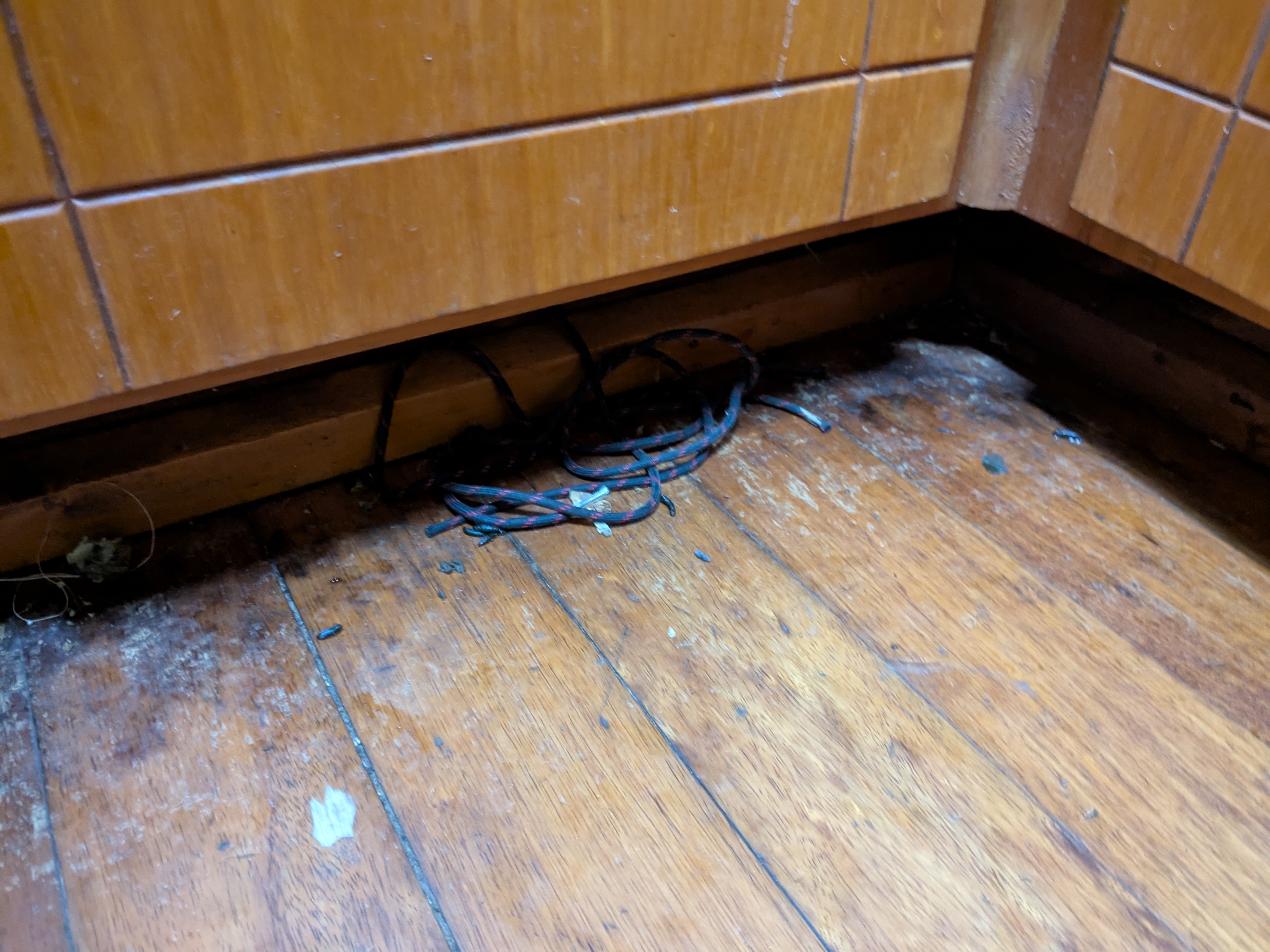
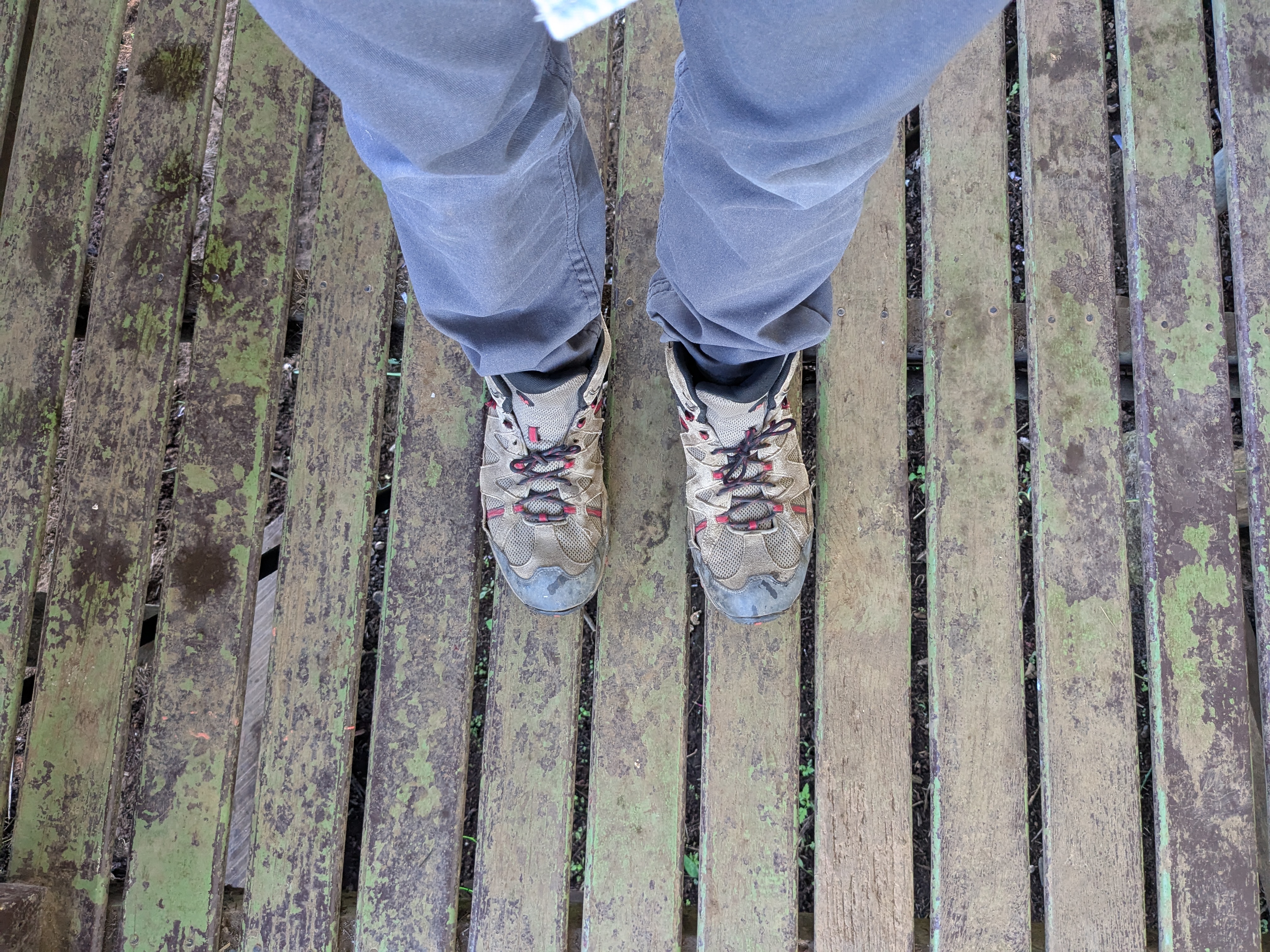
The next morning the rats left me another surprise – they decided that my shoelaces were too long and neatly trimmed the extra (untied) length off. Knowing that these rats were going to be a problem, we made sure that all of the food we brought was secure and then got back to work. According to the plan, we were supposed to receive the batteries about 9am in the morning. Unfortunately Sangapi doesn’t have very good cell service, so we found out at about 9am that the helicopter was delayed. We decided to keep working on setting up the panel, lighting arrestor, and other smaller jobs until the batteries arrived.
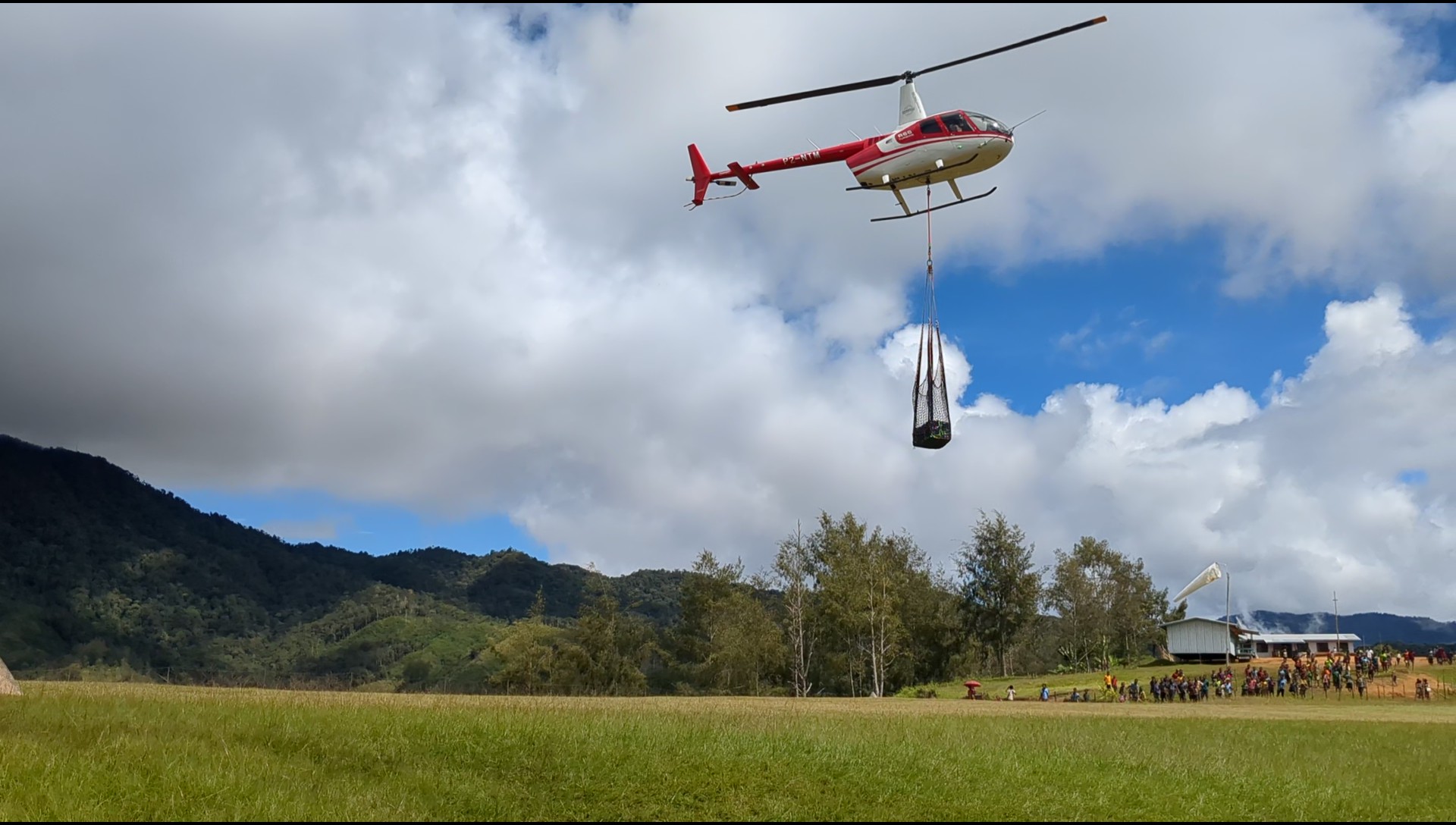
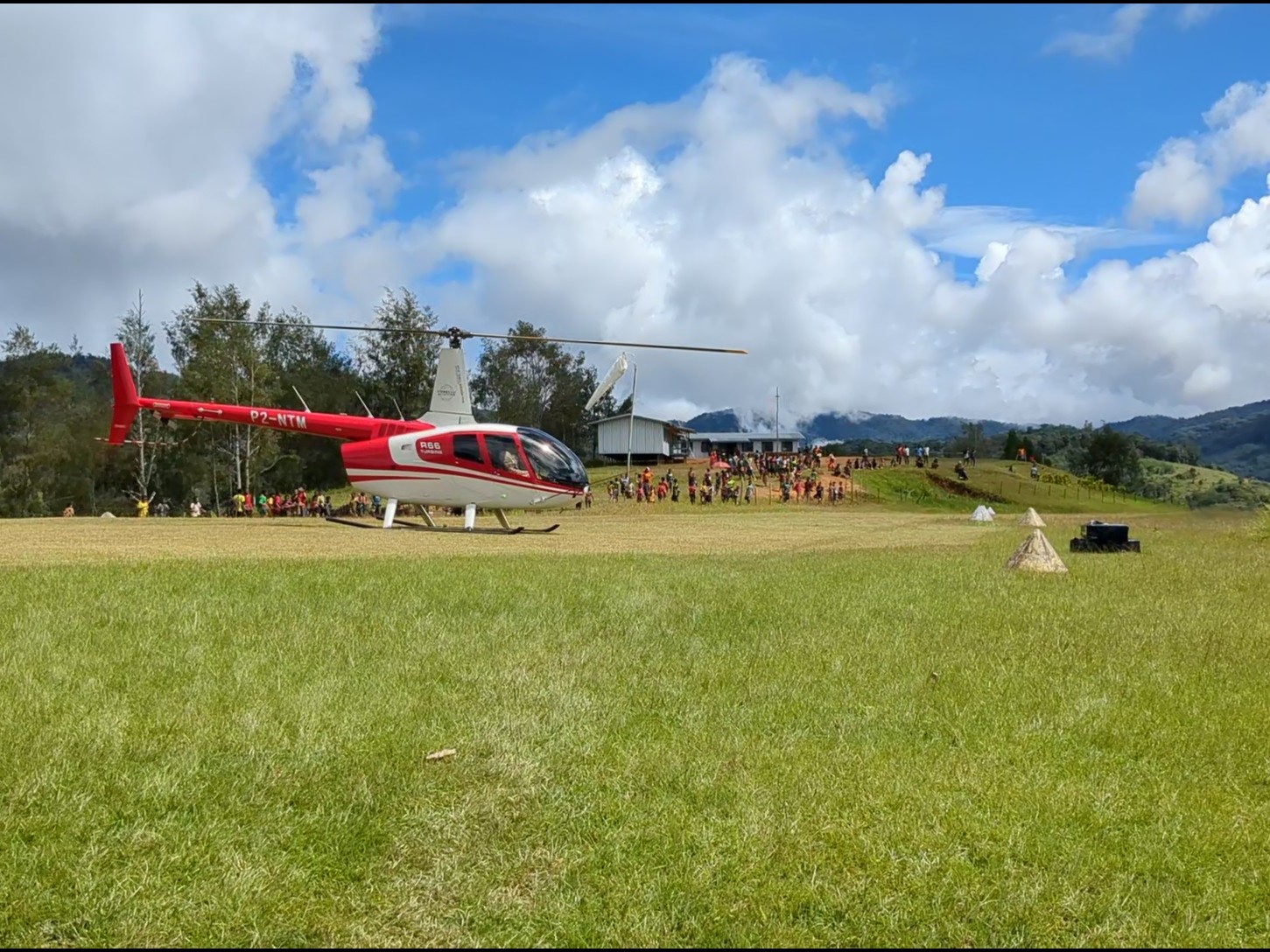
The arrival of batteries via helicopter was certainly a first-time experience. The helicopter came in, carefully set the net down on the ground, released the rope holding the net, and then went back about 10-20 meters to land. The pilot came to help us remove the batteries and roll up the net, wished us well, and then took off. I can only imagine how much easier this was than carrying the batteries through the rough mountain trails over the course of 2-3 days.
We quickly installed the batteries, double checked the wiring, and then started turning the system on. We had discharged the batteries to 30% (a requirement for transportation safety), so this gave us a good idea of what a recharge would look like. No sparks, smoke, or any other drama followed. We had tested the system with one string of 5 panels at Kudjip, but hadn’t set up the full 10 panel array. The 10 panels worked even better than expected! The batteries were charging at around 4000W! At this rate the whole system would charge in just 4 hours!
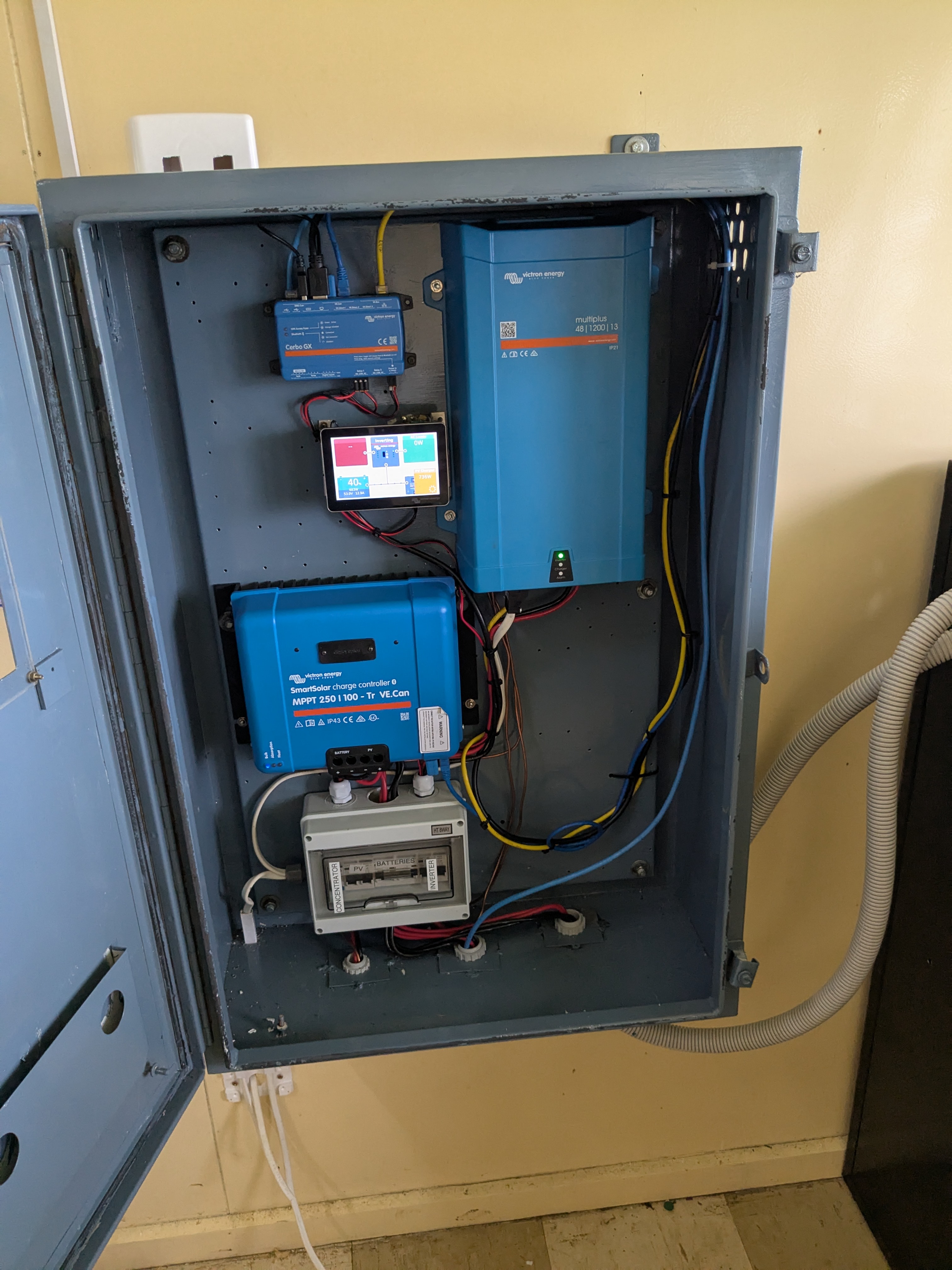
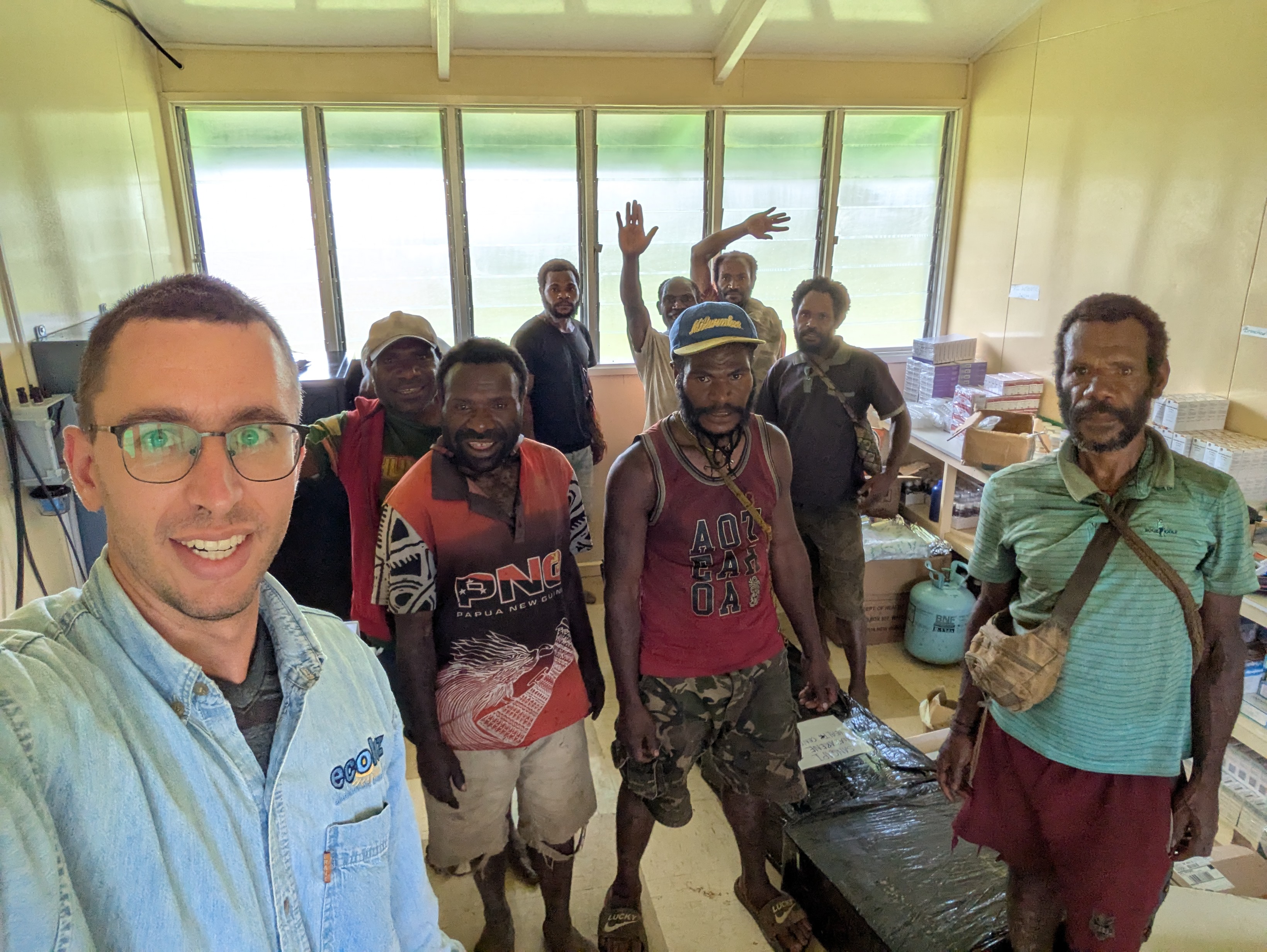
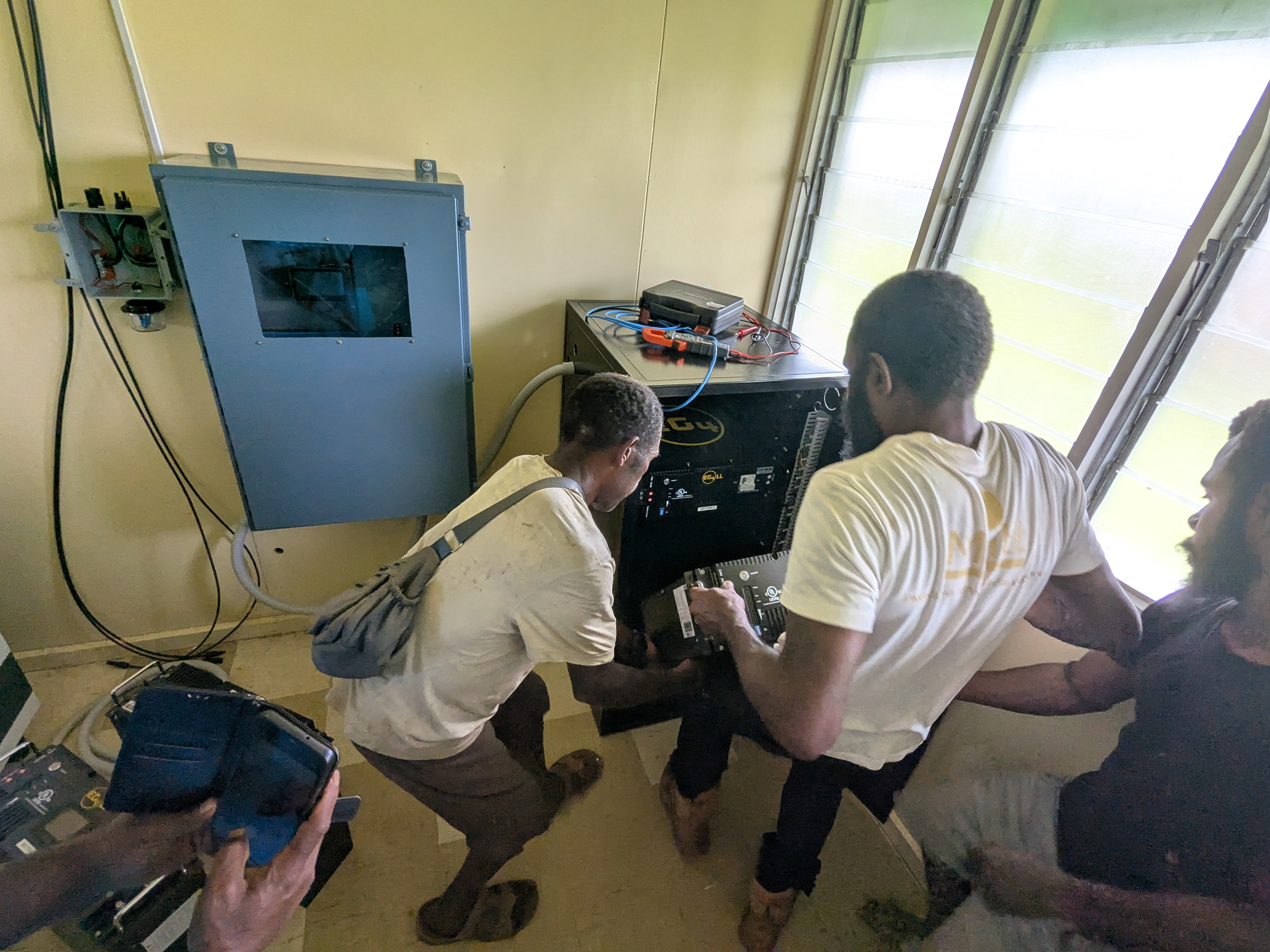
The next steps were installing the AC lines, outlets for the concentrators, and testing. Israel worked very quickly and efficiently to install the lines. For the outlets we used some Schuko-style outlets in order to maintain this as a separate system to be used only with the oxygen concentrator. The rest of the clinic has normal Australian-style (Type I) outlets for small electrical appliances, computers, phone chargers, etc. that are set up with the solar power system we installed back in 2022. It was the evening of Tuesday, and we were already nearing the end of our work!

Finally, we were able to run a long-term test of the oxygen concentrator. We ran it for several hours in the evening, overnight, and into the next morning. The capacity of those lithium batteries was astounding. They were only drawn down to 85% early in the next morning, and even in overcast conditions they were charged before 11am. For the rest of Wednesday we continued tidying up our work, ensuring all of our grounding wires and lightning protection was set up correctly, and improving the connection between the charge controller and the batteries (the first set of wires we used were undersized for how much power the panels can produce).
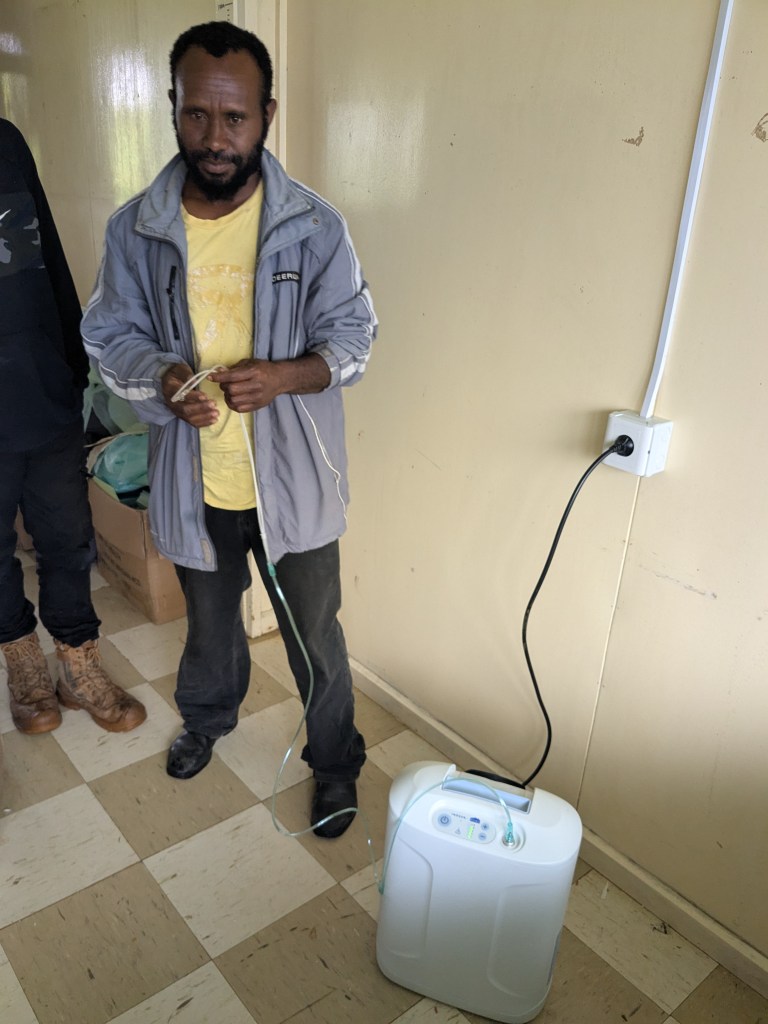
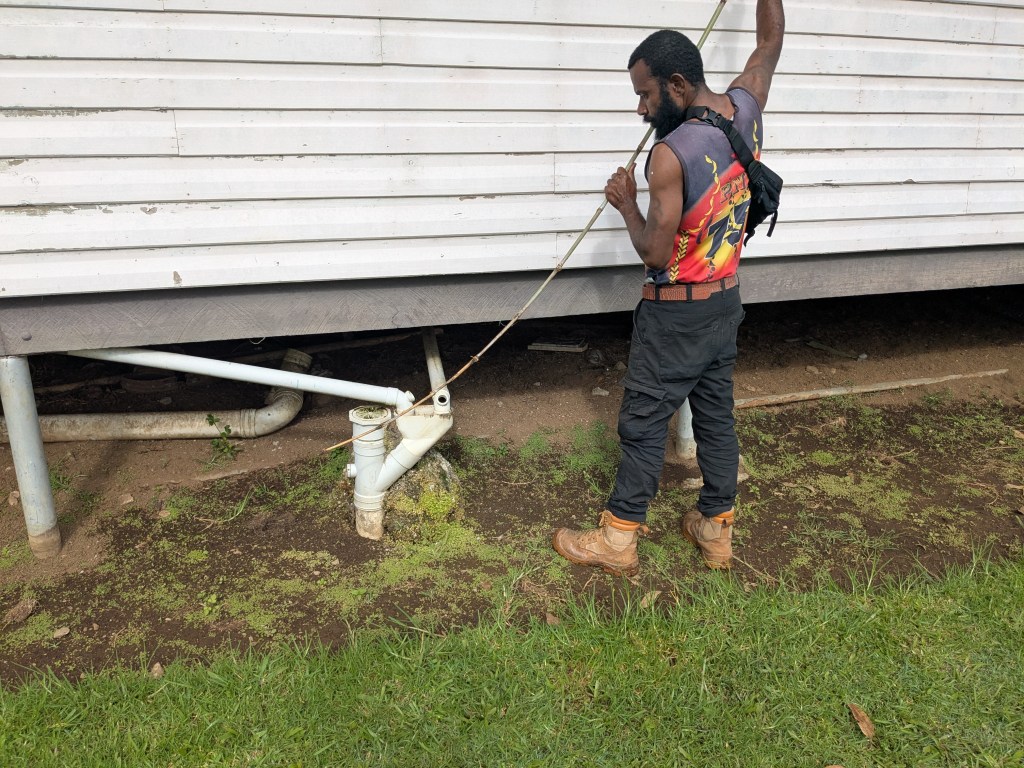
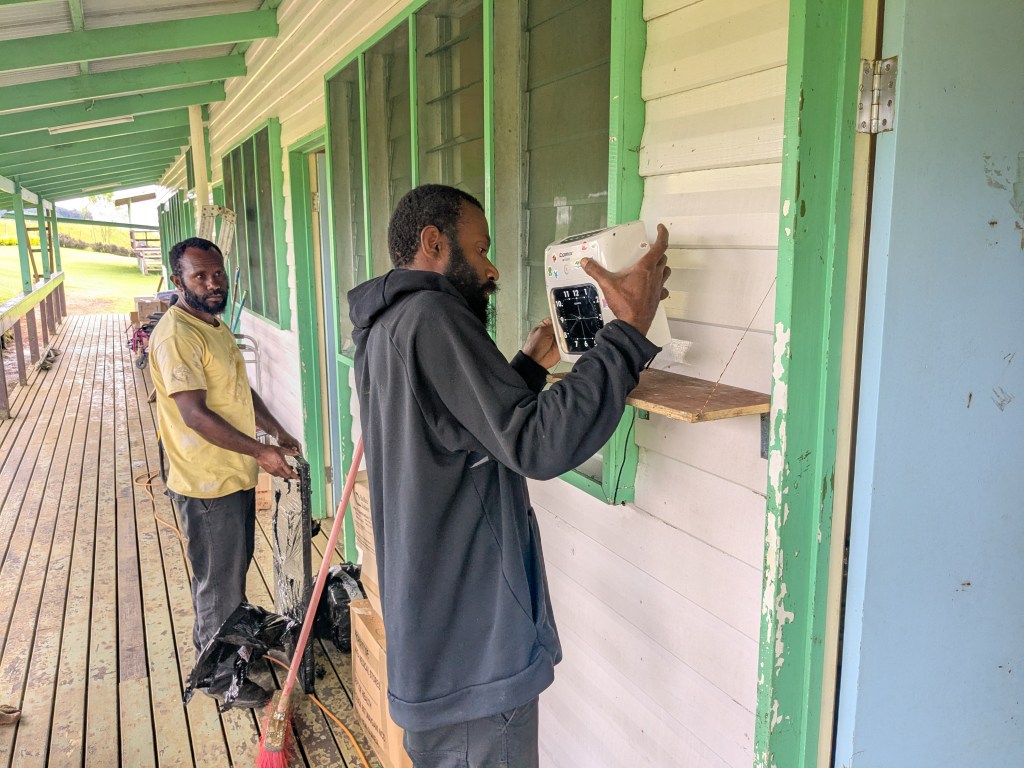
On Thursday, we found a few other odds and ends to help with around the clinic – setting up a new time clock system, fixing some blocked pipes, and checking out the old solar power system. At the end of the day, we took a nice walk around the airstrip, talked with the airstrip agent who is basically the check-in agent, gate agent, baggage handler, and TSA agent, and then finished with a celebratory mumu.
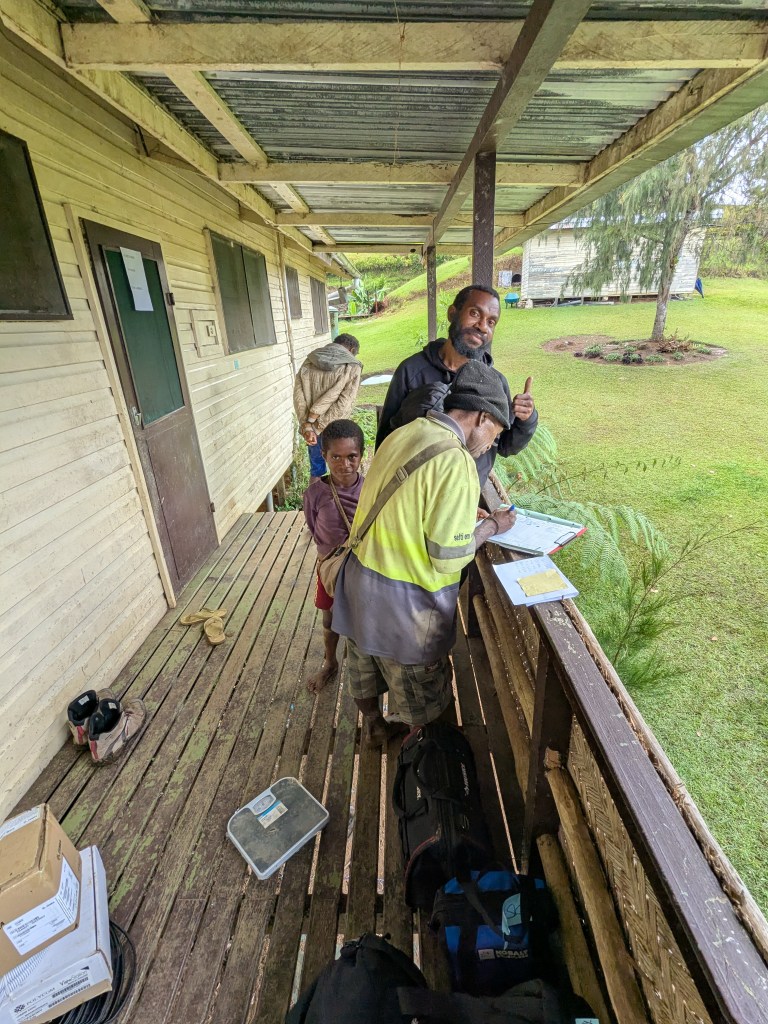
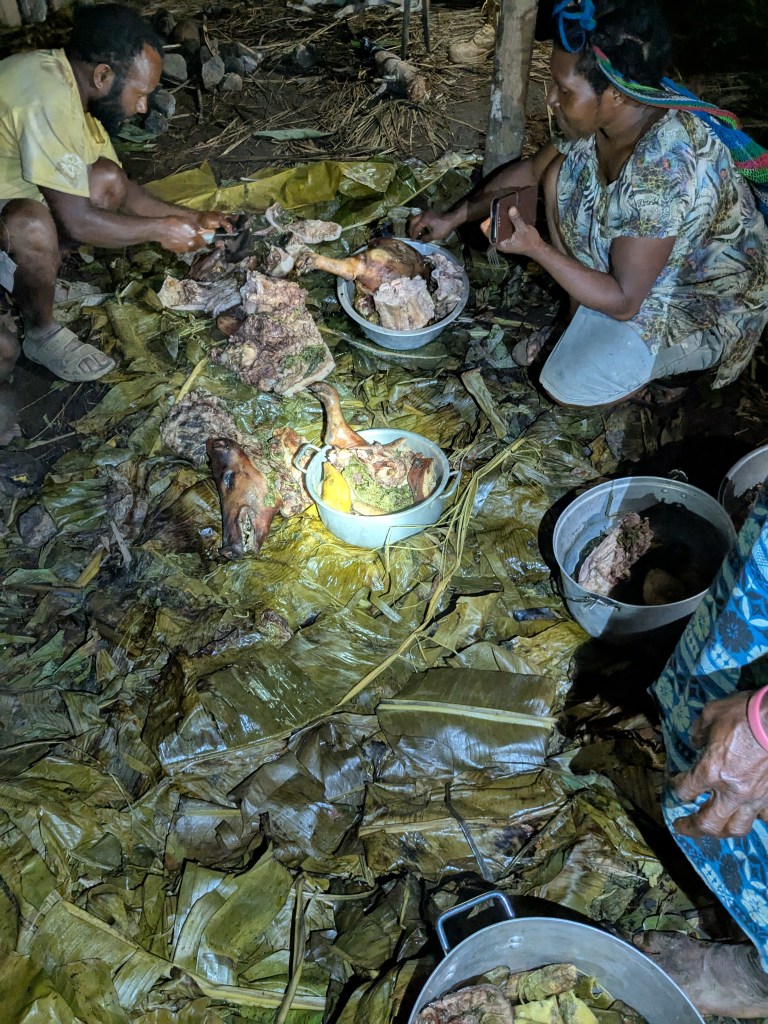

As I wrap up this post, I would like to thank everyone who has played a part in allowing me to be here and take part in this work. As you have probably noticed, this is very much a team effort – there have been many people and organizations that have made this whole project possible. I would also like to thank God for His protection on us, and for how He let the many details come together, and especially for the amazing ways that He is bringing hope and healing to the people in the Middle Ramu district through the clinic at Sangapi.


 Around the World with the Woltjers
Leave a comment