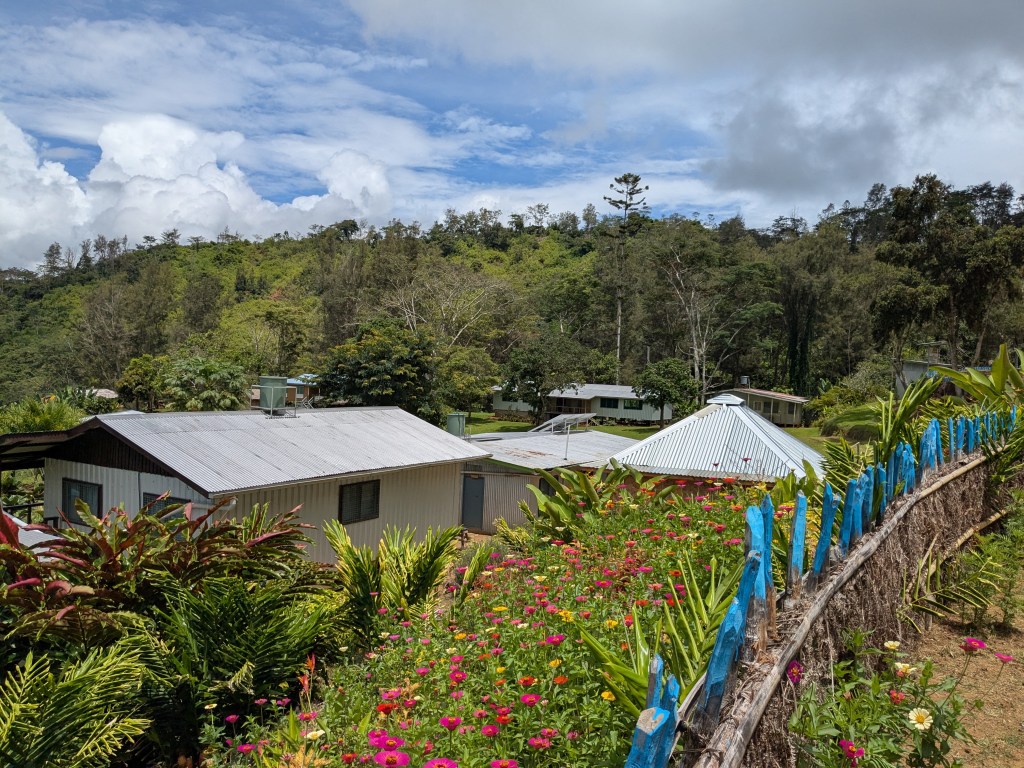
Bright and early on February 4th, I (Lukas) headed out to the Tsingaropa (Sing-a-ro-pa) Clinic in the Jimi Valley. He went along to provide support and be available for Mitch, a volunteer mechanic from Providence Church in Holland, Michigan, USA. Mitch was with us for three weeks, and one of the tasks we asked him to help with was taking a look at the faulty generator at this rural clinic.
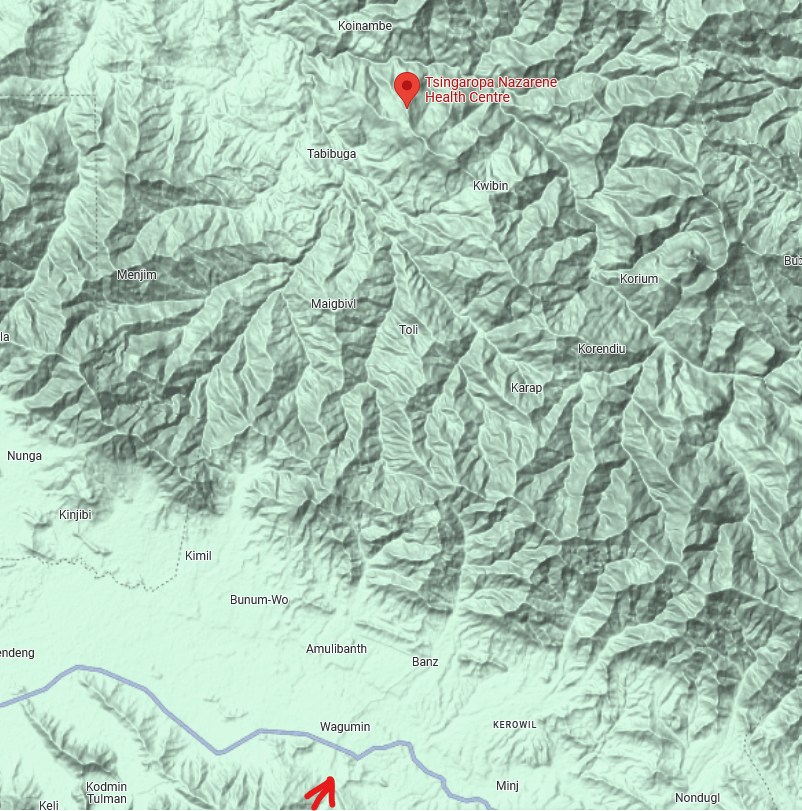
Lukas had never been to this specific clinic, so was thrilled to be able to see their ministry and experience the journey by land cruiser to this location. (Tsingaropa Clinic is one of three Nazarene clinics that is accessible by vehicle.) It was a three hour journey from the Kudjip Nazarene Hospital. From Kudjip we crossed the Waghi Valley, passed through Banz, and proceeded to head up the mountains. Once we crossed through a pass we found ourselves in the Jimi Valley. One of the things that was remarkable was that on the Waghi side of the mountain range we saw houses, markets and plenty of people…the Jimi side was pure “bush”.
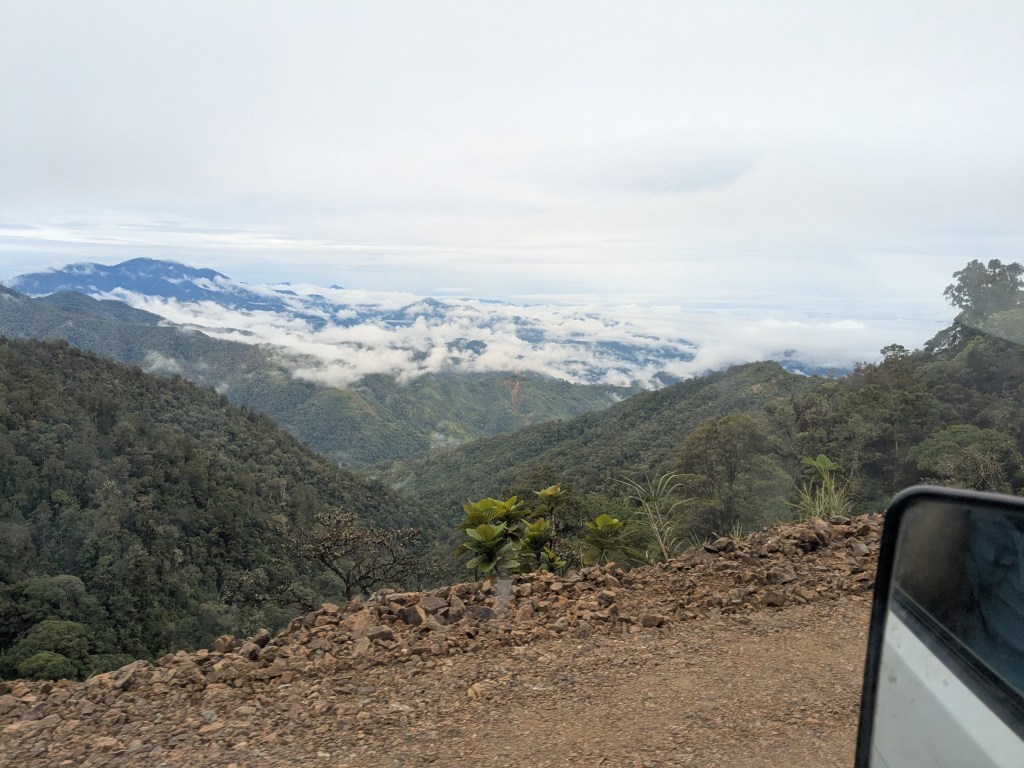
The Jimi Valley is separated into three sections: Upper Jimi, Middle Jimi and Lower Jimi. After a few kilometers of traveling we finally found a few houses and a small market. Kenneth, our driver, told us that we were in the Upper Jimi. Continuing on for another 40 minutes we arrived at another area with a few houses and a small market…we made it to Middle Jimi. At this point, Kenneth told us that the Tsingaropa Clinic is between the Middle and Lower Jimi.
As we traveled along this mostly single-lane, gravel road we saw multiple signs of landslides, both on the road and the hillsides. Kenneth informed us at the point of a larger landslide that it had recently occurred and buried three bush houses in the middle of the night. There were no survivors from the three families. One landslide was blocking a part of the road and as we tried to pass around it we encountered another vehicle. Thankfully we were both traveling slow enough that there was no accident.
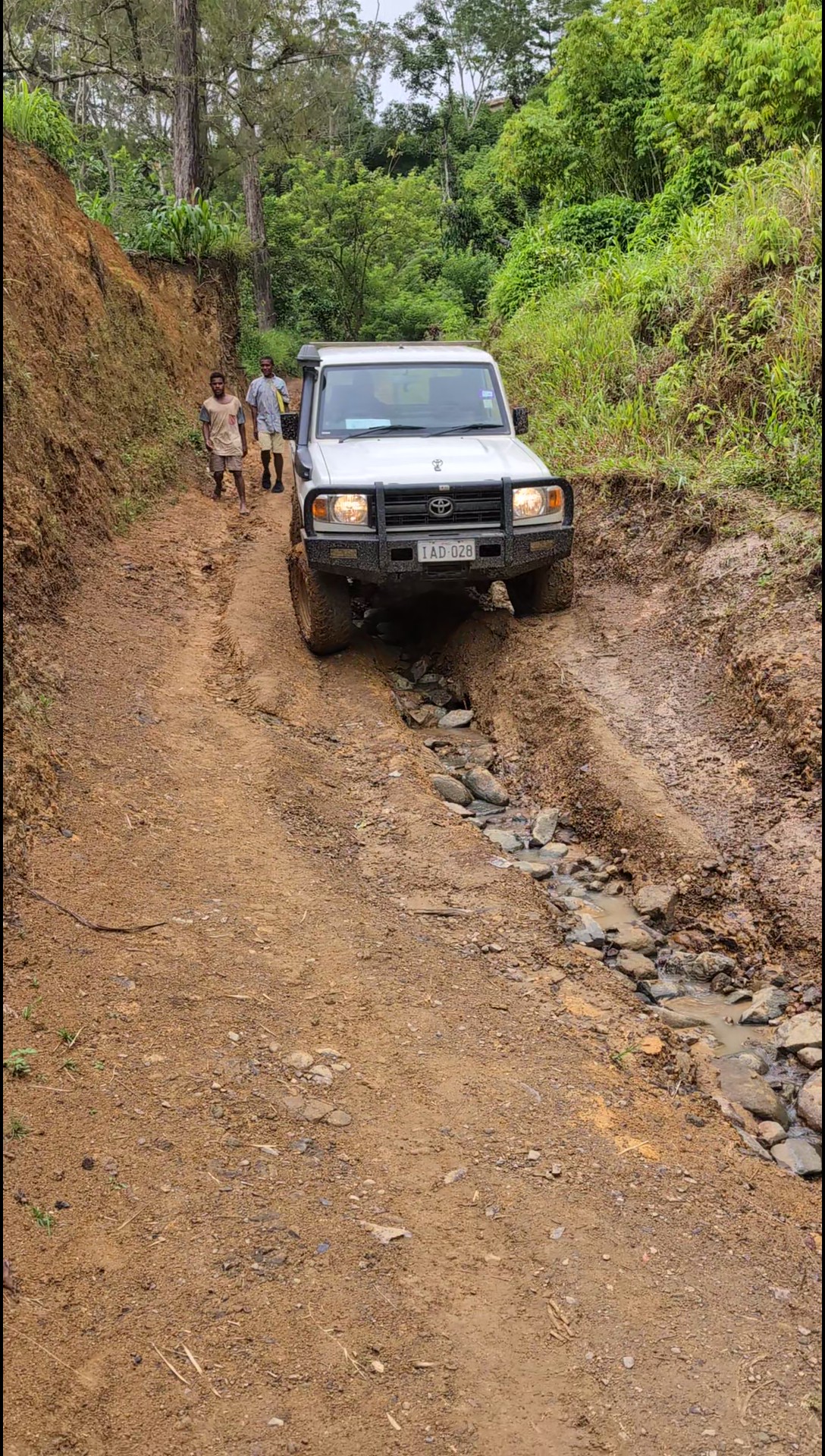
We finally arrived at the turn-off for the clinic. We went from the single-lane, gravel road to a rugged path that was severely washed out. We slid and bounced our way down to the clinic. The Tsingaropa Clinic is both a clinic and the district center for the Bromley District (the Church of the Nazarene District in the Jimi Valley). There are two main buildings that house the clinic and patients, plus a few buildings for staff (there are three that work at the clinic) and pastors. These were the only buildings we saw in the area. We were truly in the middle of no-where.
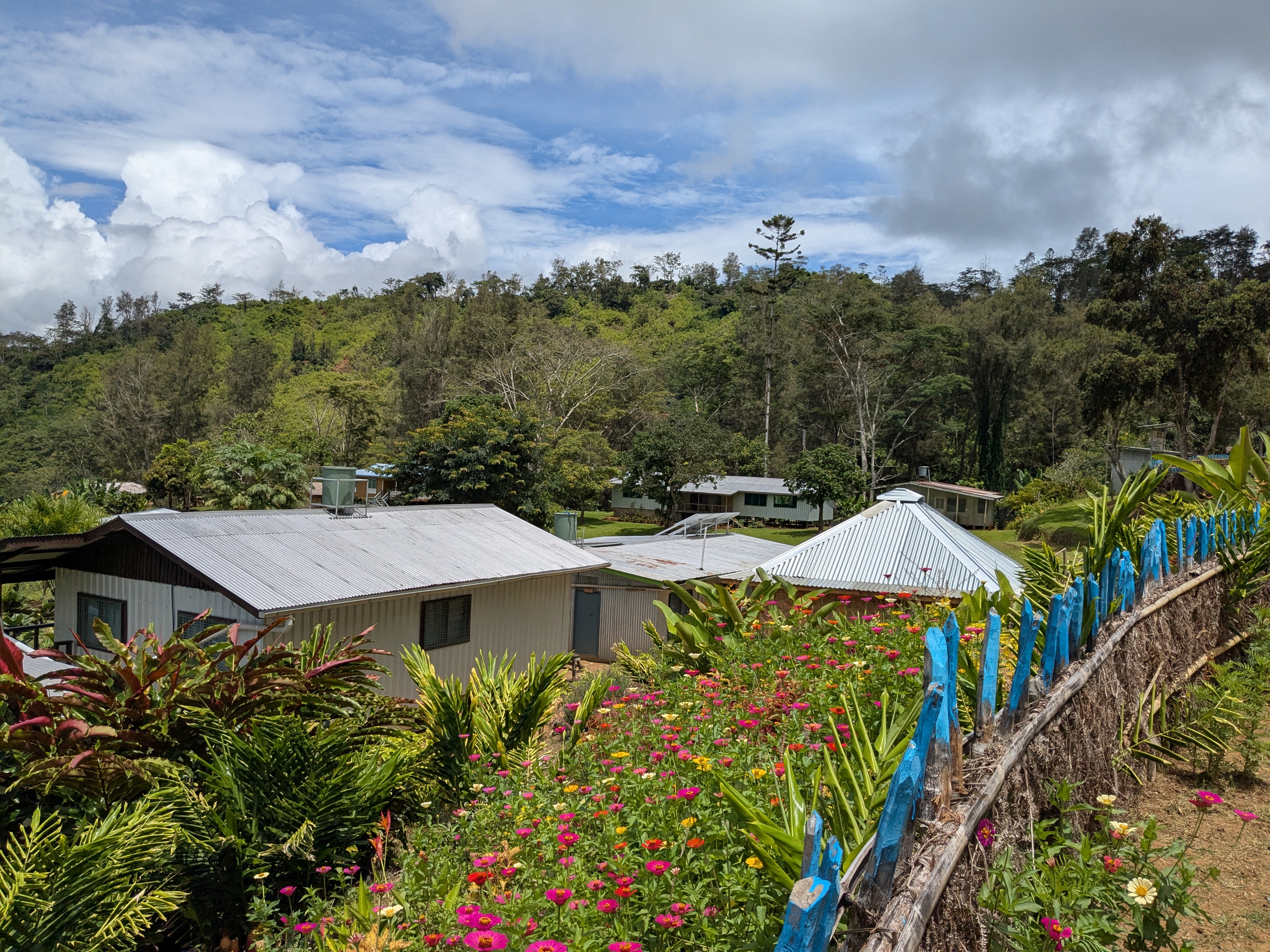
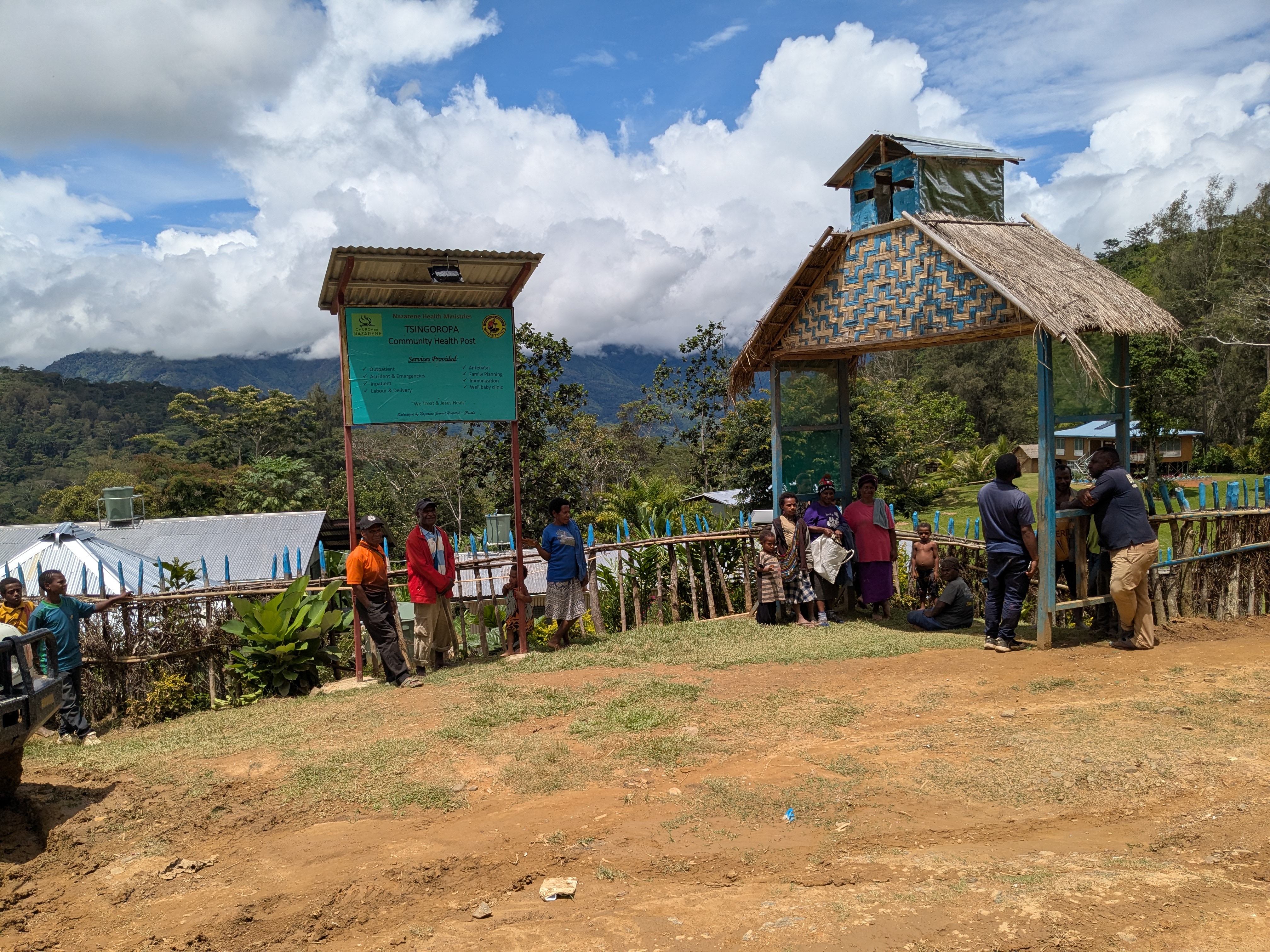
The Tsingaropa clinic serves a population of about 10,000 in the middle/lower Jimi. Last year, about 5,000 people came to get medical care at the clinic. One of the biggest benefits of providing accessible care through rural clinics is being able to treat minor problems before they get serious. Of the 5,000 that received care at Tsingaropa last year, about 3,500 were outpatient visits. That’s good; the small inpatient ward only has capacity for a handful of patients, and serious cases requiring surgery need to get referred to Kudjip. Of the birth complications that we see at Kudjip, a significant portion come from the Jimi Valley. Most mothers in the Jimi Valley give birth at home or in their local village. Our statistics show that only 15 births took place at the clinic last year. Keep in mind that any birth complications or other referrals have to travel the 2-3 hour journey, around landslides and road wash-outs, to get to Kudjip.
After unloading a few boxes of medicines that we brought along for the clinic we walked over to the shed that houses the old generator (an old hand-crank start, two-cylinder, diesel engine). One of the pastors who lived there informed us the generator hasn’t been working for the last ten years. We did not know what to expect and had a back-up plan of grabbing a number of guys to help us physically load it into the back of the land cruiser to take back to Kudjip. Thankfully, we did not have to follow through with that plan. Unfortunately, there are several missing components to the fuel system, and a filter that looked like it hadn’t been changed in 20 years! Surprisingly, after getting a clearer picture of the engine, we realized the engine itself is in really good shape. The next hour is spent in cleaning and lubricating the engine and try to jerry-rig a make-shift fuel supply. After several tries to hand-crank the engine, we realized it is not going to work. We left with a lot of pictures, a list of parts to try and find, and hope that we can get it started again.

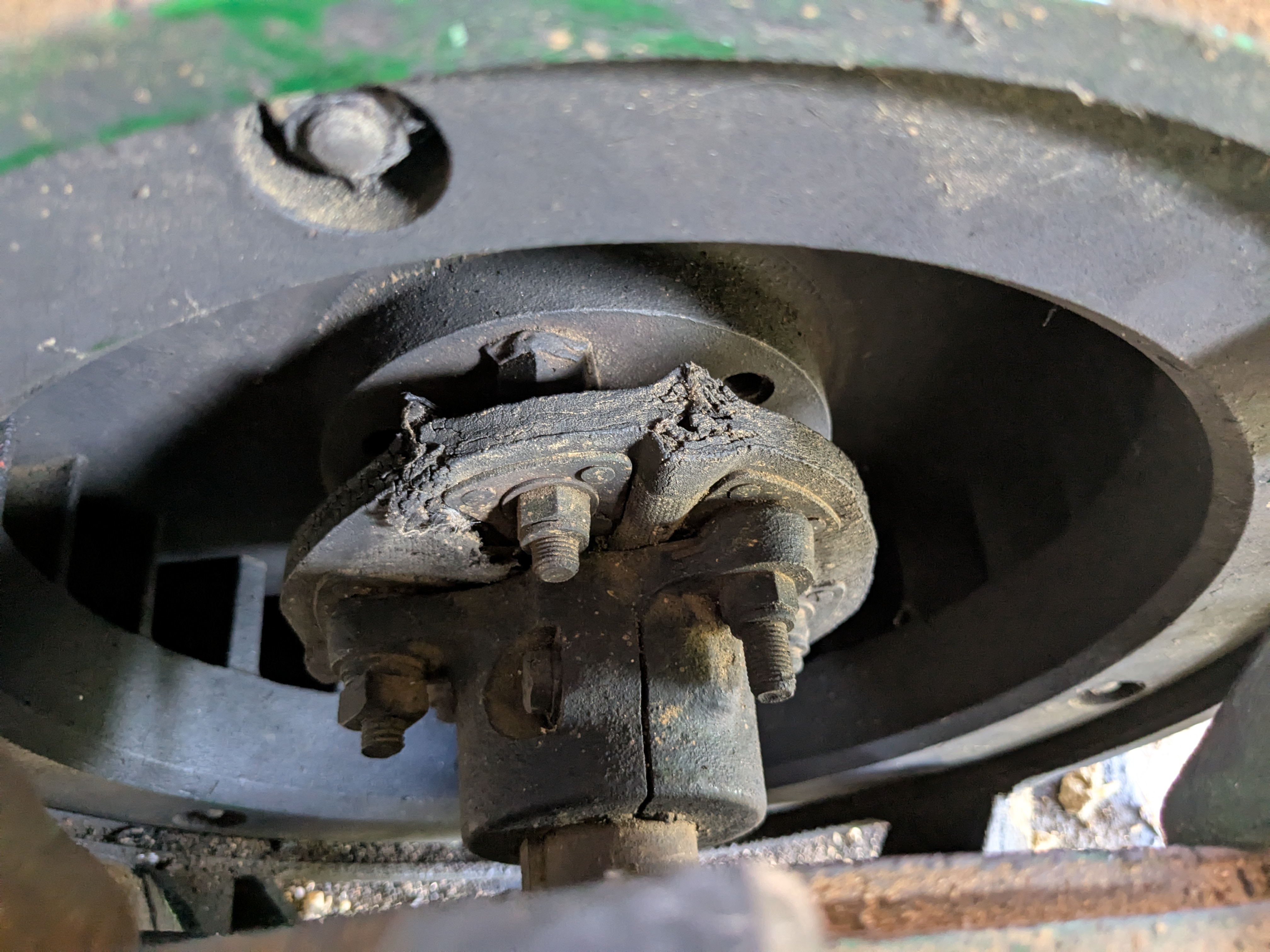
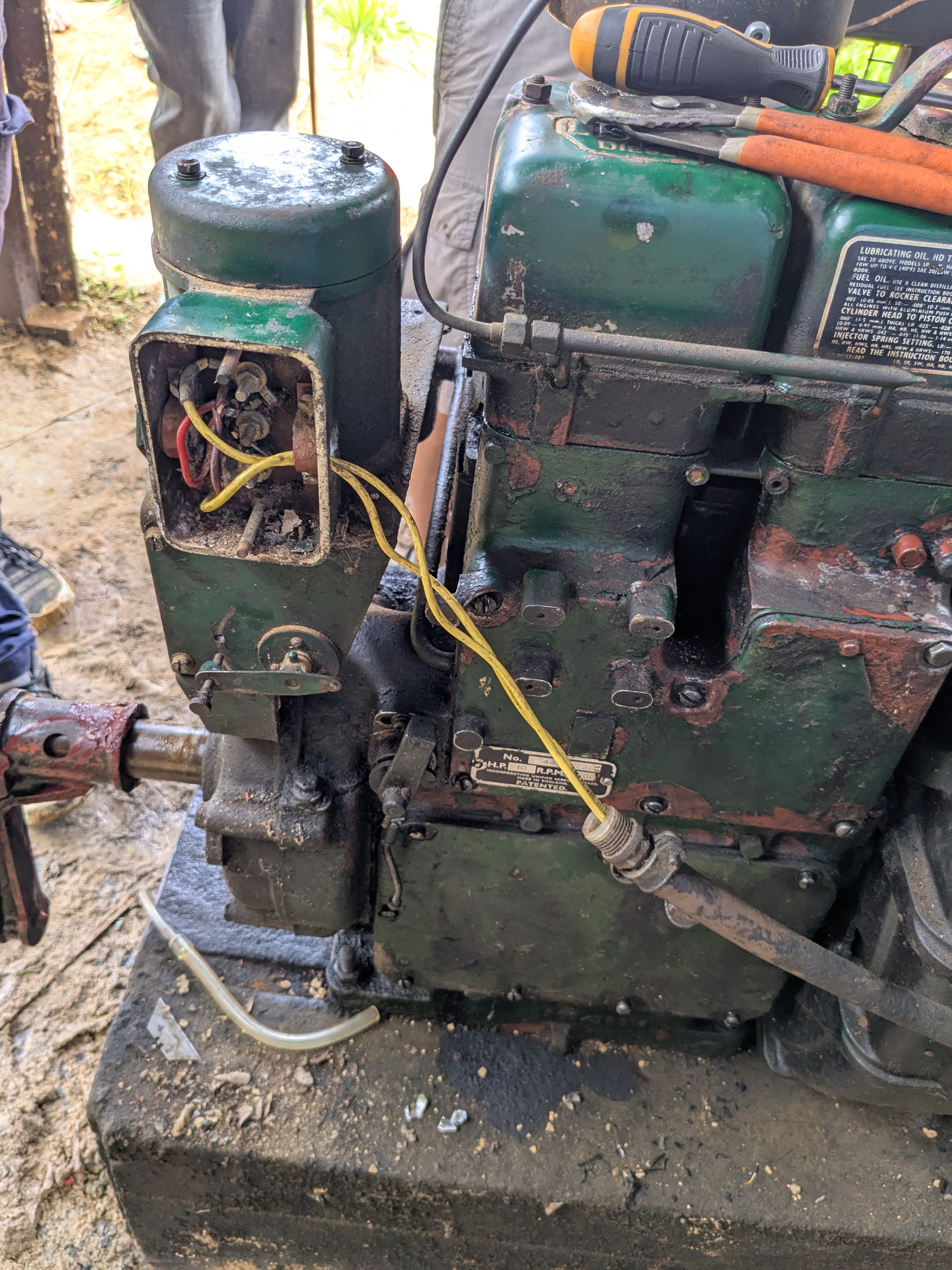
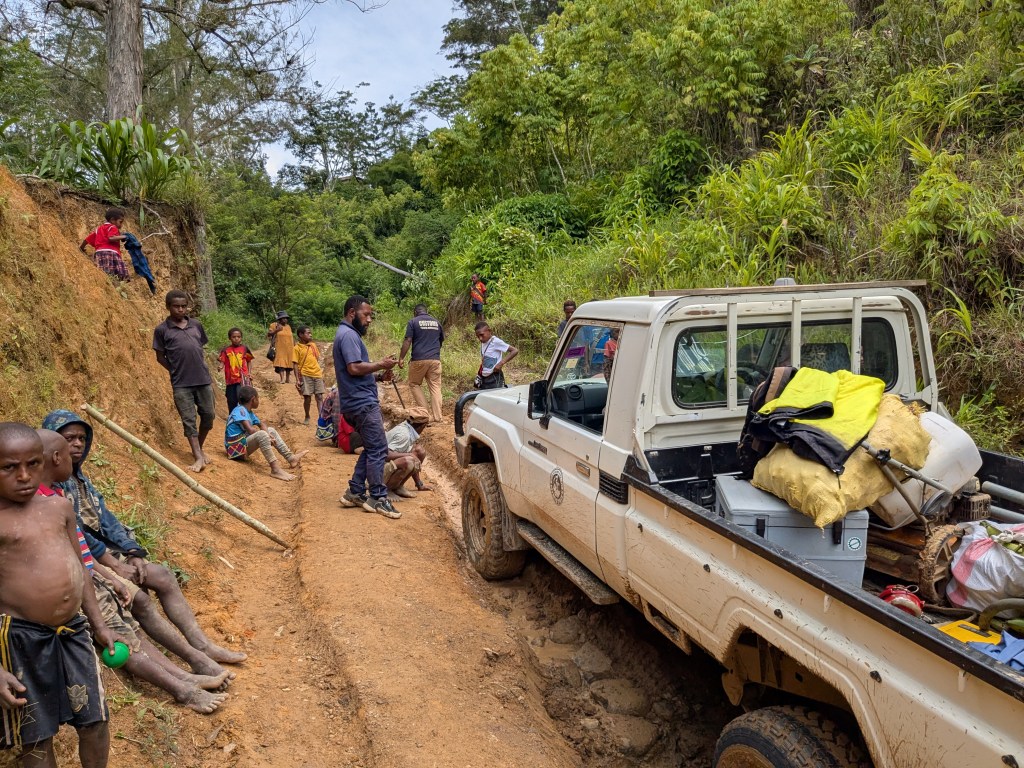
Then we began our journey back to Kudjip. Kenneth had been watching the weather and realized there was a good chance it would rain, so had been asking us to wrap up so that we could get on the road and hopefully not get caught in the rain (especially going up the hill on the two track road). Even without rain we had problems. The two track ruts were so deep that our land cruiser was high-centered on the axles. It took us about 45 minutes to dig our way out. Not only did we have to dig our way out, but we got a flat during this part of the adventure and had to change a tire. Thankfully, the rest of our trip home was less eventful.
We are now focusing on finding the parts we need to fix the generator. We will plan on a return trip once we receive the parts.


 Around the World with the Woltjers
Leave a comment